
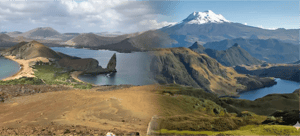
In an age when education is being redefined beyond lecture halls and static textbooks, the world itself is becoming a classroom. Learning is no longer confined to theory alone; it is shaped by experience, observation, and direct engagement with living systems. Few places on Earth embody this shift as powerfully as Ecuador and the Galapagos Islands.
Stretching from the Andean highlands to Indigenous communities rooted in ancestral knowledge, and culminating in one of the most important natural laboratories on the planet, Ecuador offers something increasingly rare: the ability to study ecology, culture, and science not as isolated disciplines, but as interconnected systems. Here, experiential and field-based education moves from concept to reality—where learned and explorers do not simply learn about the world, but learn within it.
This is not educational travel as a supplement to the classroom. It is education reimagined, grounded in place, systems thinking, and real-world complexity.
Quito: The Intellectual Gateway to Experiential Learning in Ecuador
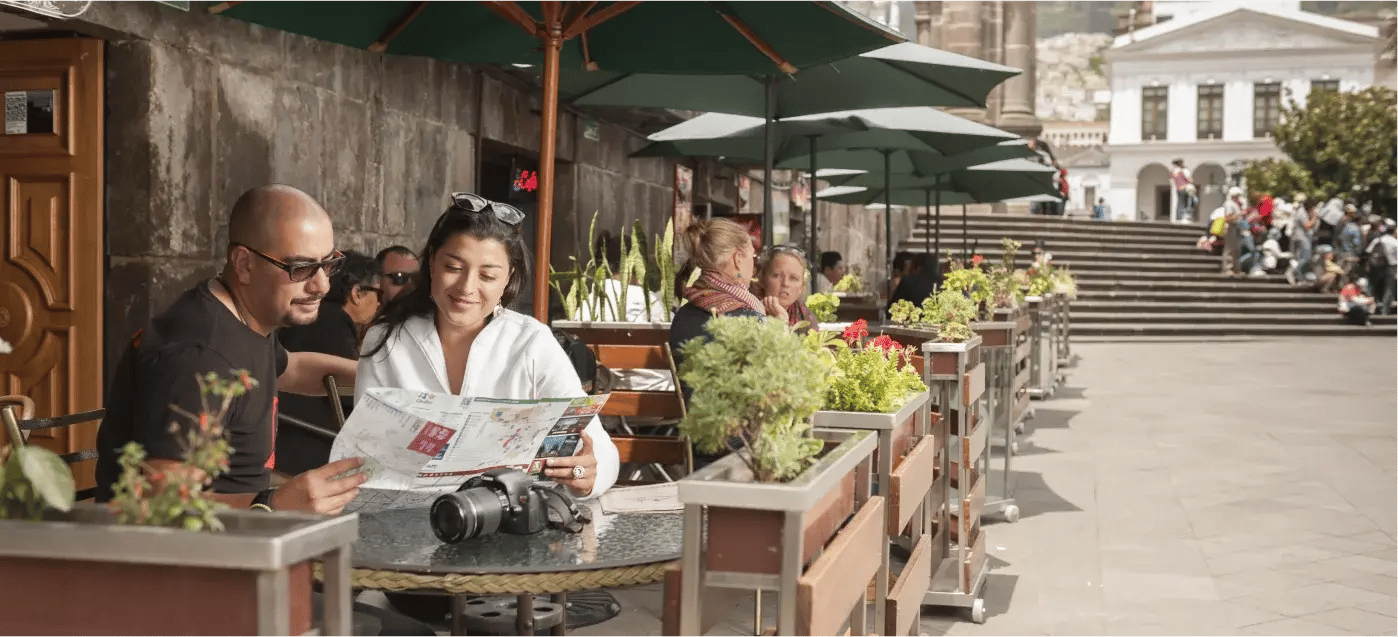
Before participants reach the Galapagos or step into rural learning environments, experiential education in Ecuador often begins in Quito. Situated high in the Andean highlands and shaped by centuries of Indigenous, colonial, and modern influence, the capital functions as an intellectual gateway—where context, orientation, and critical frameworks are established.
Quito is not simply a starting point. It is where learners begin to understand Ecuador as a system: geography shaping culture, history influencing governance, and urban life reflecting the tensions between conservation, development, and identity. This grounding transforms subsequent field experiences into deeper, more informed learning journeys.
History, Geography, and Systems Thinking in an Urban Context
As one of the best-preserved historic centers in Latin America, Quito offers a living archive of social, political, and environmental history. Walking its streets, participants encounter layers of time—pre-Columbian foundations, colonial architecture, and contemporary urban dynamics coexisting within a compact geographic space.
This environment supports systems-based learning. Geography explains settlement patterns, altitude influences daily life, and historical structures reveal power, belief, and adaptation. For scholars and lifelong learners, Quito becomes an open textbook where abstract concepts from history, anthropology, and geography converge through direct observation.
Preparing the Mind Before Entering the Field
Experiential education is most effective when participants arrive in the field with shared reference points and critical questions. Quito provides that preparatory space. Academic briefings, orientation sessions, and reflective discussions often take place here—allowing learners to contextualize what they are about to encounter in rural Ecuador or the Galapagos.
By engaging first with Quito, learners transition intentionally from theory to practice. They begin to recognize Ecuador not as a collection of isolated destinations, but as an interconnected system—making subsequent experiences in agriculture, Indigenous communities, and evolutionary science more coherent and meaningful.
Quito as a Bridge Between Academia, Culture, and Exploration
Beyond its historical role, Quito functions as a logistical and intellectual bridge for educational programs. Universities, research institutions, museums, and cultural centers create opportunities for dialogue between local experts and participants. For institutions seeking a centrally located base that supports academic briefings, faculty meetings, and pre-field orientation sessions, properties such as the Go Quito Hotel offer a practical setting where comfort, connectivity, and professional infrastructure align with educational objectives.
This urban immersion reinforces a key principle of experiential learning: understanding emerges not only in remote environments, but also in cities where policy, culture, science, and society intersect. Quito anchors the learning journey—ensuring that exploration across Ecuador is informed, ethical, and academically grounded.
For programs that integrate urban context with field-based learning, Quito provides the foundation where inquiry begins and understanding takes shape—before field participants move outward into Ecuador’s diverse living classrooms.
The Galapagos Islands: A Natural Laboratory for Science and Field-Based Learning
Long before the Galapagos became synonymous with conservation and biodiversity, they were already shaping how humanity understands life on Earth. Isolated by geography yet rich in biological diversity, the islands present an unparalleled environment for science education, field-based learning, and experiential discovery.
Unlike controlled laboratory settings, the Galapagos function as an open system. Species evolve in response to environmental pressures that are visible, measurable, and ongoing. For those engaged in the study of biology, ecology, and environmental science, this transforms abstract theory into something tangible. Evolution is no longer a diagram in a textbook—it is written into the landscape.
From Charles Darwin’s Observations to Modern Field Science
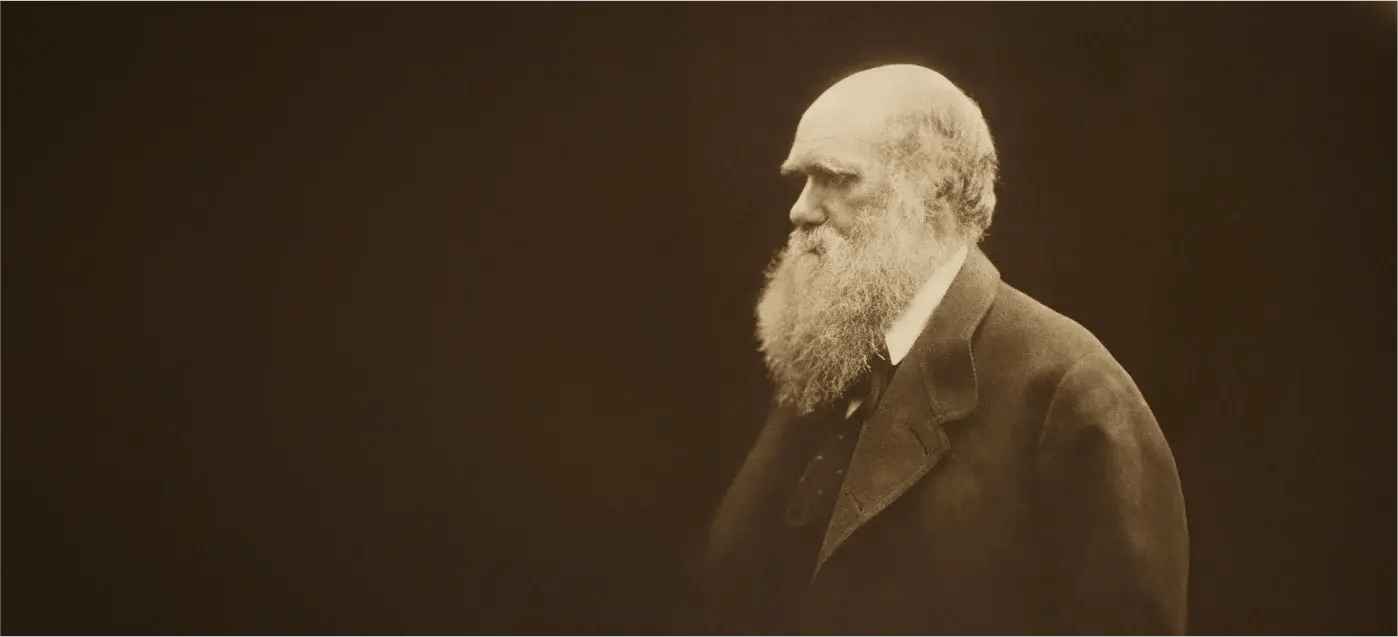
When Darwin arrived in the Galapagos in 1835, he did not come searching for answers. He came to observe. What he encountered—finches with subtly different beaks, reptiles uniquely adapted to harsh conditions, plants found nowhere else on Earth—laid the groundwork for the theory of evolution by natural selection.
Today, that same process of observation remains central to Galapagos science education. Field participants retrace the intellectual path Darwin began, not by memorizing conclusions, but by practicing the same methodology: observing variation, identifying patterns, and asking why adaptation occurs.
This continuity between historical inquiry and modern field science is what makes the Galapagos such a powerful educational setting. It teaches not only what we know about evolution, but how scientific knowledge is formed.
Evolution, Adaptation, and Endemism Observed in Real Time
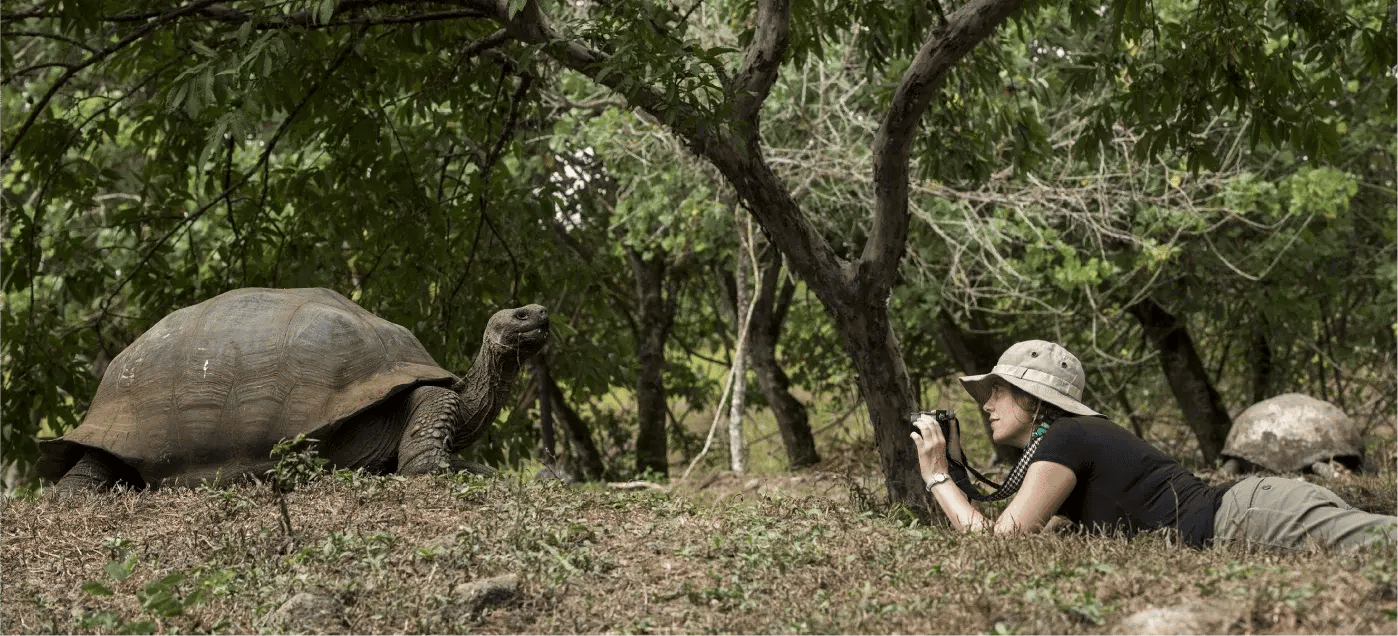
Nowhere else do evolution, adaptation, and endemism reveal themselves with such clarity. Marine iguanas grazing underwater, flightless cormorants navigating rocky shores, giant tortoises adapted to specific islands—each species tells a story of survival shaped by isolation and environment.
For students, these are not case studies. They are encounters. Through field studies in the Galapagos Islands, learners engage directly with biodiversity, gaining an understanding of evolutionary biology that is visual, immersive, and deeply memorable.
This immediacy is why the Galapagos remain central to field-based learning programs worldwide. The islands turn complex scientific concepts into lived experience—something no classroom simulation can replicate.
Why Expedition Cruises Enable Continuous Scientific Learning
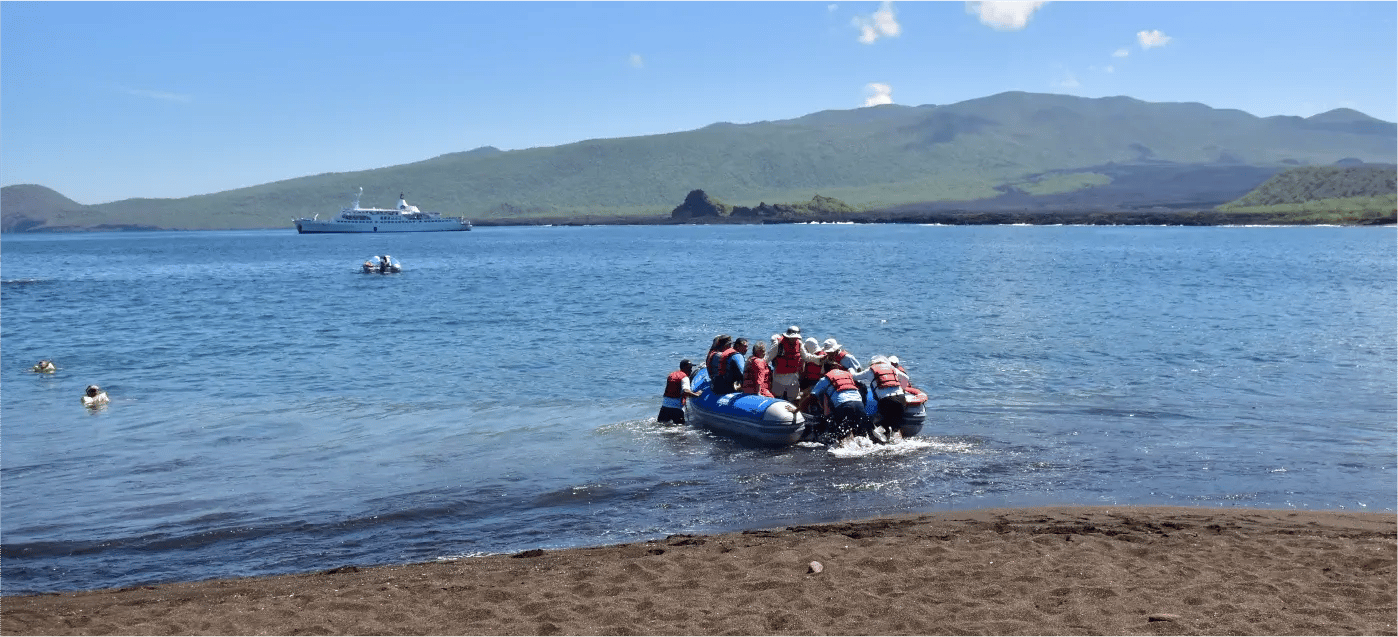
Access to such environments, however, requires a platform capable of reaching remote ecosystems responsibly and efficiently. This is where expedition cruises play a critical educational role.
Unlike land-based visits limited to single sites, Galapagos expedition cruises allow participants to move seamlessly between islands, ecosystems, and habitats (Check our blog: 110 Fun Facts about the Galapagos Islands). Learning becomes continuous rather than fragmented. Each day builds on the last, reinforcing observation, reflection, and scientific inquiry.
Guided by certified naturalists, learners participate in naturalist-led expeditions that translate complex ecological processes into accessible, rigorous knowledge. The vessel itself becomes a floating classroom—supporting lectures, discussions, and data analysis between field excursions.
For institutions exploring educational Galapagos cruise programs, this model offers both academic depth and logistical reliability. It is field-based education designed to function at the pace of learning, not tourism.
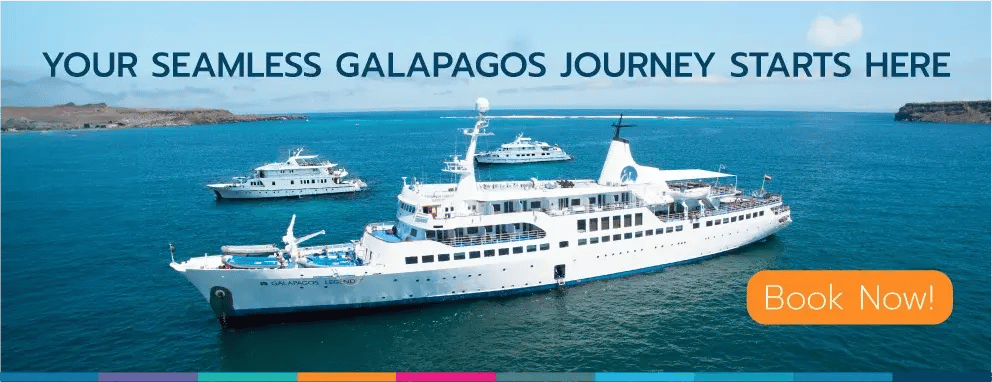
To explore how expedition cruising supports science-based learning, readers can discover our Galapagos expedition cruises designed for educational travel (Galapagos Legend & Coral Yachts I and II)
Chukuri Farm: Regenerative Agriculture as Experiential Learning
Before science turns toward theory, it begins with systems—soil, water, biodiversity, and human decision-making. In Ecuador’s Andean highlands, Chukuri Farm offers a different kind of classroom: one rooted in regenerative agriculture and ecological balance.
Here, sustainability is not discussed as an abstract ideal. It is practiced, observed, and tested daily. Students studying regenerative agriculture experiential learning encounter farming systems that prioritize biodiversity, soil regeneration, and long-term resilience over short-term yield.
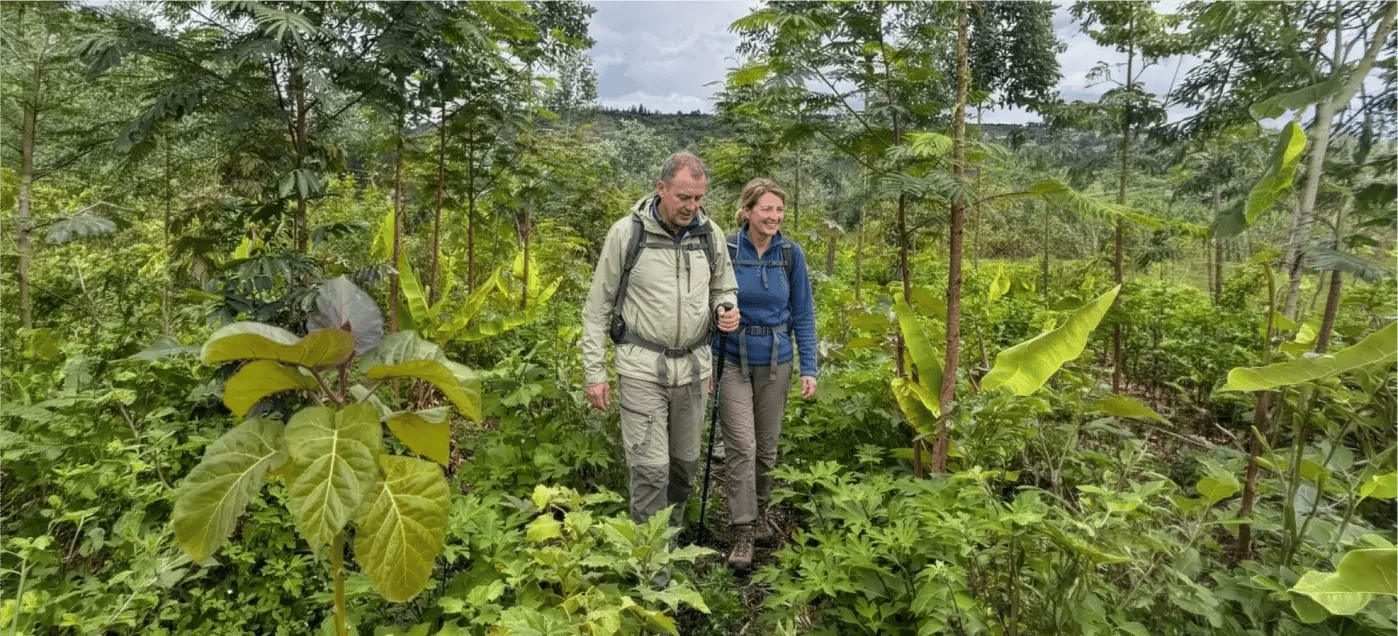
Regenerative Agriculture as a Living, Observable System.
At Chukuri, agriculture becomes a dynamic system rather than a static production model. Through syntropic and regenerative practices, explorers observe how plant diversity, soil health, and ecological succession work together to create resilience.
This approach reframes sustainability education. Instead of learning about sustainable food systems, students learn from them—tracking outcomes, analyzing cause and effect, and understanding how agricultural decisions ripple outward into ecosystems and communities.
Food Systems, Climate Adaptation, and Sustainability in Practice
Climate adaptation is often discussed at a global scale. At Chukuri, it becomes local and concrete. Curious minds explore how regenerative agriculture responds to environmental stress, supports food security, and offers alternatives to extractive land-use models.
This hands-on exposure fosters systems thinking, a core objective of experiential education. Agriculture is no longer isolated from climate science, economics, or social impact—it becomes a lens through which all three are understood.
Readers interested in this dimension of learning can explore our land-based tours in Ecuador, where sustainability and education intersect beyond the Galapagos.
Magdalena Karanki: Indigenous Knowledge as Living Education
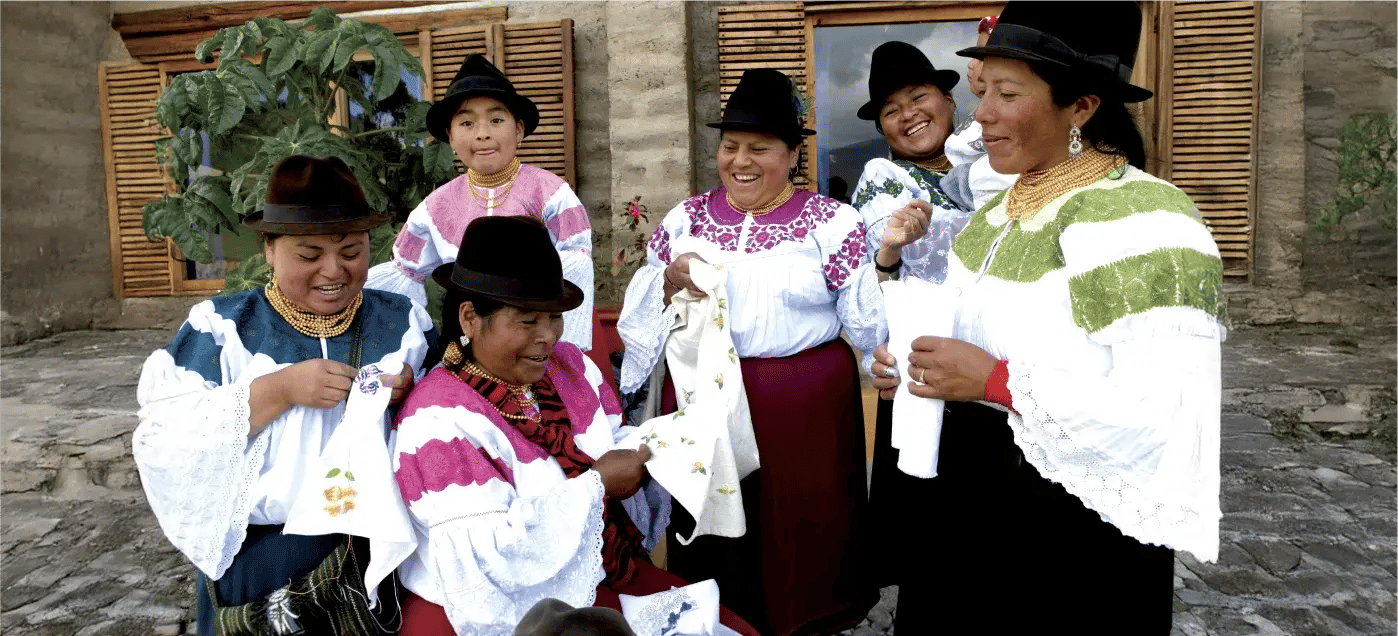
Education is not only transmitted through science. It is also carried through culture, language, and collective memory. In the Magdalena Karanki community, learning emerges from lived experience—guided by Indigenous knowledge systems that have evolved over generations.
This is living cultural education, where heritage is not preserved behind glass but practiced daily. Students engaging with Indigenous knowledge experiential learning in Ecuador encounter worldviews that emphasize reciprocity, stewardship, and relational understanding of nature.
Learning Through Community, Not Observation
In Magdalena Karanki, education is community-led. Knowledge is shared through participation—farming, storytelling, ceremonies, and daily routines—rather than passive observation.
This model challenges conventional educational travel. Scholars are not spectators; they are participants. The experience emphasizes humility, listening, and mutual respect, reinforcing ethical frameworks essential to responsible global education.
Ethical Engagement and Intercultural Learning in Practice
For academic institutions, ethical considerations are no longer optional. Programs must demonstrate respect, reciprocity, and tangible benefits for host communities.
Magdalena Karanki offers a blueprint for ethical educational travel. Learning is reciprocal, culturally grounded, and designed to support community resilience rather than extract value.
To learn more about this approach, readers can visit our Magdalena Karanki community experiences, where education and culture converge.
An Integrated Learning Journey Across Ecuador
Individually, each of these experiences—Galapagos science education, regenerative agriculture at Chukuri, and Indigenous cultural learning in Magdalena Karanki—offers profound insight. Together, they form something greater: an integrated learning journey that positions Ecuador as a true living classroom.
This progression mirrors how understanding itself develops. Participants move from systems rooted in the land, through cultural frameworks that shape human interaction with nature, and into scientific inquiry that seeks to explain life’s diversity.
Why Ecuador Stands Out as a Living Classroom in Latin America
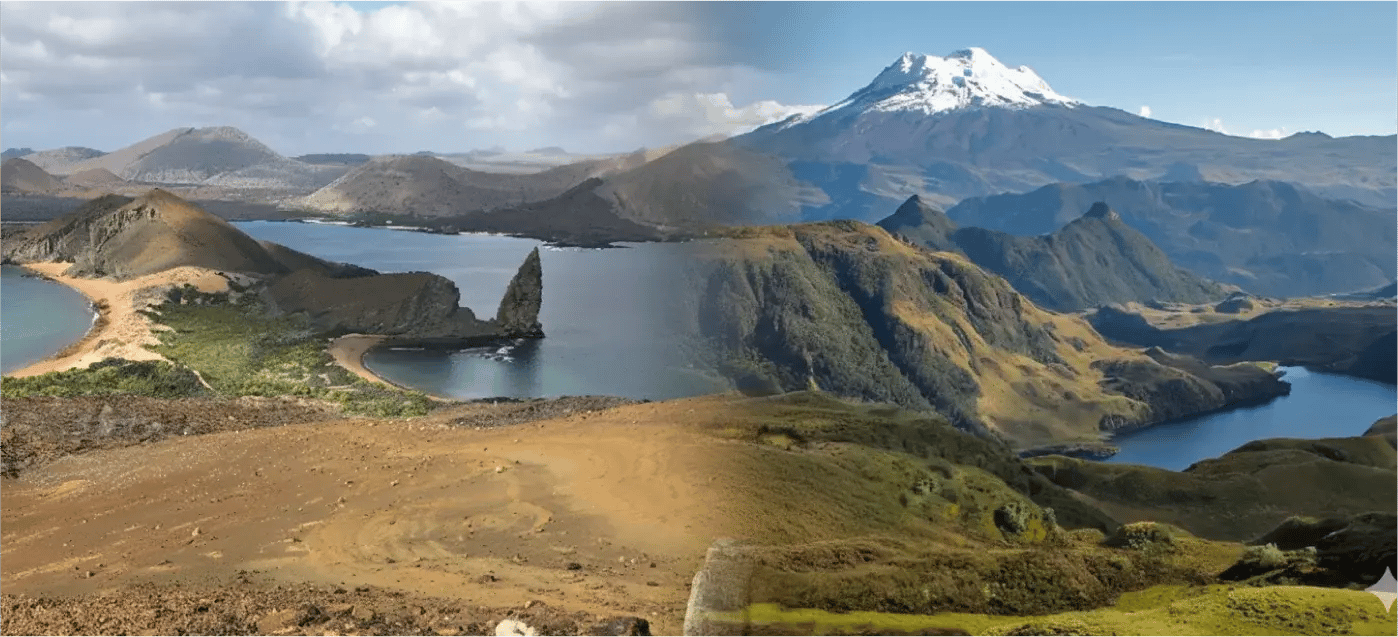
Across Latin America, educational travel opportunities abound. Yet Ecuador’s unique geography and cultural diversity allow for an interdisciplinary approach few destinations can match.
Within a single country, institutions can design experiential learning travel programs that connect agriculture, anthropology, ecology, and evolutionary biology—supported by professional logistics and academic rigor.
For universities, associations, and travel agents specializing in educational programs, Ecuador offers not just destinations, but structure. It is a place where experiential education can be intentional, cohesive, and transformative.
From Exposure to Understanding
Educational travel succeeds not when participants see more, but when they understand more. Ecuador and the Galapagos Islands offer that depth—an environment where learning unfolds through observation, participation, and reflection.
From soil to science, from culture to conservation, this living classroom invites curious minds to think systemically about the world they are preparing to lead.
For institutions seeking to design field-based learning programs in the Galapagos Islands and Ecuador, we invite you to explore our educational expedition cruises, discover our islands and wildlife, and connect with our academic travel specialists to shape journeys where education truly comes alive.
COMMENTS