

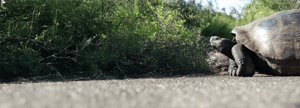
For more than 180 years, Floreana giant tortoises were absent from their ancestral home on Floreana Island.
Once a defining presence in the island’s ecosystem, these giant tortoises helped shape vegetation, disperse native seeds, and sustain ecological balance across the landscape. Their disappearance left a major gap in one of the Galapagos’ most fragile environments.
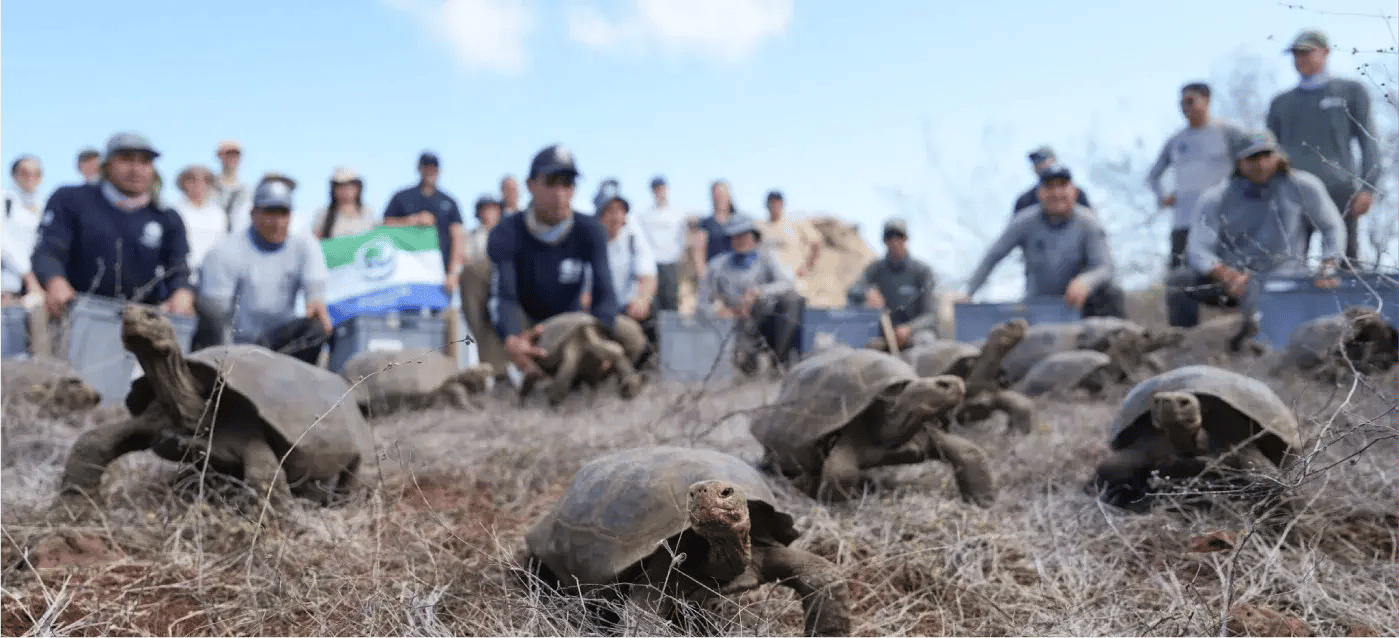
In February 2026, that story changed. A total of 158 juvenile giant tortoises of Floreana lineage were reintroduced to Floreana Island, marking the first return of these endangered tortoises to their native habitat in more than 180 years.
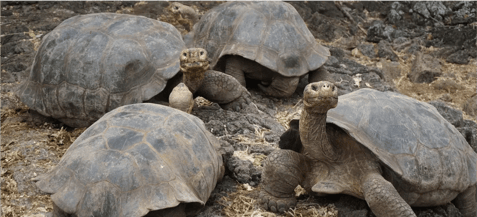
According to the Charles Darwin Foundation, this historic release is part of the broader Floreana Ecological Restoration Project, a long-term effort to restore native species and ecological processes on the island.
Here is everything you need to know about the return of the Floreana giant tortoises, why it matters for Galapagos conservation, and what it means for the future of Floreana Island.
Why the return of Floreana giant tortoises matters
Giant tortoises are among the most important native animals in the Galapagos Islands. Over thousands of years, they evolved into distinct island lineages and became one of the clearest living examples of adaptation and evolution in the archipelago.
The return of the Floreana giant tortoise is more than a wildlife milestone. It represents the return of a key ecological role that had been missing from the island for generations.
Today, this reintroduction stands as one of the most important modern conservation stories in the Galapagos.
Why giant tortoises are essential to the ecosystem
Floreana giant tortoises are considered ecosystem engineers. As they move across the island, they disperse seeds, regulate vegetation growth, open pathways through dense terrain, and influence habitat structure over time.
Their ecological role supports plant regeneration, biodiversity, and long-term ecosystem resilience. Conservation organizations working on Floreana describe the return of tortoises as a critical step toward restoring ecological processes that have been missing for nearly two centuries.
Their return is not only about protecting a species. It is about restoring how Floreana Island functions as an ecosystem.
Why did giant tortoises disappear from Floreana Island
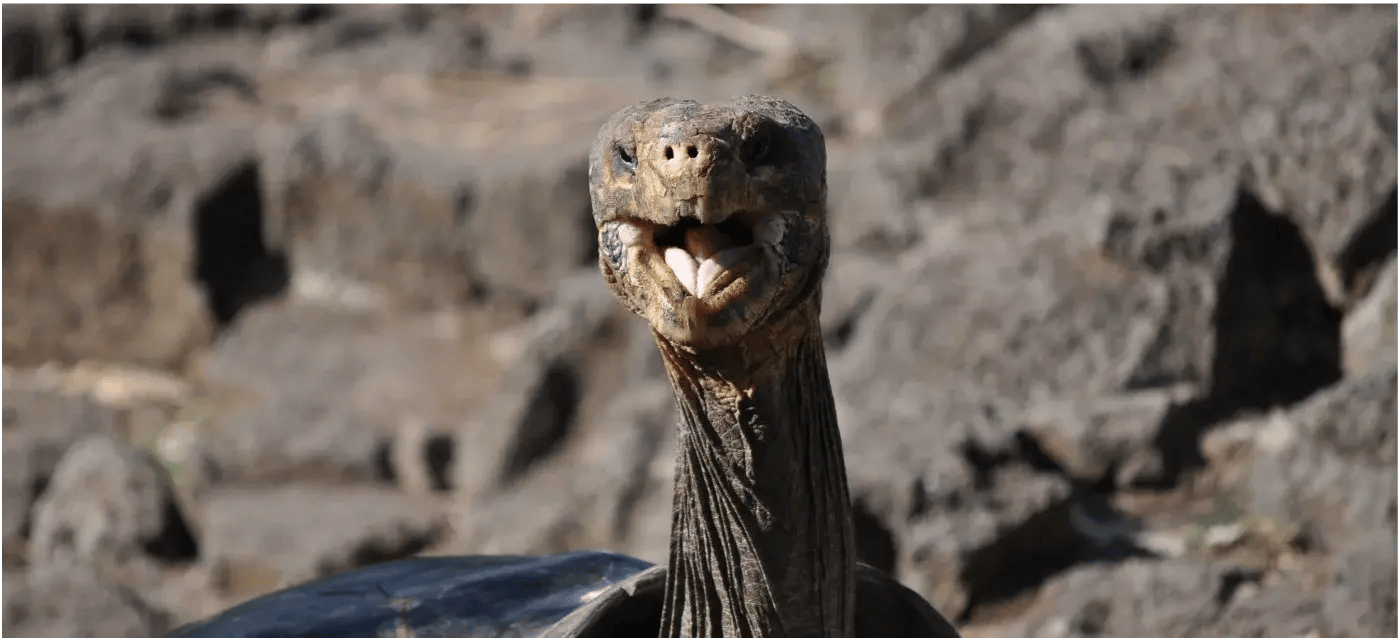
The original Floreana tortoise population disappeared during the 18th and 19th centuries. Pirates, sailors, and whalers removed large numbers of Galapagos giant tortoises from the islands, while invasive species such as rats, cats, pigs, and goats damaged nesting areas and native vegetation.
By the mid-1800s, giant tortoises had vanished from Floreana Island. Their loss triggered long-term ecological changes, including shifts in vegetation patterns and reduced regeneration of native plants.
Understanding that history helps explain why the return of tortoises to Floreana is so significant today.
How 158 tortoises were reintroduced in 2026
In February 2026, conservationists released 158 juvenile tortoises into the highlands of Floreana Island. This number was selected to help establish a healthy founding population capable of contributing to long-term ecological recovery.
The release marked the first time in more than 180 years that giant tortoises had returned to the island. It was a milestone not only for Floreana, but for conservation science in the Galapagos as a whole.
How scientists recovered the Floreana tortoise lineage
The reintroduction was made possible through decades of scientific research and captive breeding. Scientists identified tortoises with Floreana ancestry near Wolf Volcano on Isabela Island and used their descendants in a specialized breeding program designed to recover the lost lineage.
This conservation work was carried out through collaboration among the Galapagos National Park Directorate, the Charles Darwin Foundation, Galapagos Conservancy, Island Conservation, and other partners involved in the Floreana restoration effort.
How Floreana Island was prepared for its return
Before giant tortoises could return, Floreana itself had to be made safer for wildlife. Conservation teams carried out major invasive species control and habitat restoration efforts to improve the island’s ecological conditions.
These actions created the conditions needed for native species recovery and helped prepare Floreana Island for the return of one of its most important native animals.
Only after years of restoration was the island ready to welcome its giant tortoises home again.
What this means for the future of Galapagos conservation
The return of Floreana giant tortoises shows that long-term conservation can restore species and ecological functions that once seemed lost.
Over the coming years, scientists will monitor survival, movement, habitat use, and ecological impact. If the program continues successfully, Floreana Island could once again support a self-sustaining tortoise population.
This makes Floreana one of the clearest examples of ecosystem restoration in the Galapagos Islands.
Experiencing restoration in motion
Visiting Floreana today offers more than scenic beauty. It offers a chance to witness ecological restoration in progress.
For travelers interested in wildlife, conservation, and responsible travel, Floreana Island now carries even deeper meaning. Its landscapes reflect both the fragility of island ecosystems and the possibility of recovery.
Responsible tourism in the Galapagos helps support this broader mission through regulated visitation, conservation funding, and education.
When you visit Floreana responsibly, you are not only discovering one of the most fascinating islands in the archipelago. You are also connecting with one of its most hopeful conservation stories.
Source: Galapagos Conservancy
A living conservation story
The Galapagos Islands have long symbolized evolution. Today, Floreana also symbolizes restoration.
The return of the Floreana giant tortoises is one of the most powerful conservation success stories in the Galapagos. It shows that science, restoration, and long-term collaboration can reverse ecological damage once thought permanent.
After more than 180 years of absence, the giants are home again.
COMMENTS